Shell scheme vs space only: exhibition stand types
Shell scheme vs space only, plus corner, peninsula and island stands: what each stand type includes, how to describe it to exhibitors and how to price it.
By Moultaka team
Shell scheme or space only? It is the first thing an exhibitor asks when your stand offer arrives, and the first source of arguments on build-up day. A shell scheme stand is a ready-made booth: walls, carpet, a fascia board with the company name, lighting, a power socket and some basic furniture, built by the organizer or its official contractor. Space only, also called raw space, is a marked area of floor and nothing else: the exhibitor hires a stand builder and designs its own booth. On top of the type comes the position on the floor plan: inline, corner, peninsula or island. This guide covers what each exhibition stand type includes, how to write it up so exhibitors know exactly what they are buying, and how organizers fit the types into a floor plan and a rate card.
Shell scheme vs space only, side by side
| Shell scheme | Space only (raw space) | |
|---|---|---|
| What the exhibitor gets | a built booth, ready to move into | a marked area of hall floor |
| Who builds it | the organizer or its official contractor | the exhibitor’s own stand builder |
| Typical size | small modules, often 9, 12 or 18 m² (around 100 to 200 sq ft) | larger plots, with a minimum set by the show |
| What the organizer needs from the exhibitor | the fascia name and any extra orders | stand drawings, the builder’s insurance and build-up slots |
| Who it suits | SMEs, first-time exhibitors, exhibitors travelling from abroad | large brands, national pavilions, regular exhibitors |
| The usual problem | an exhibitor who expected more than was delivered | a stand that breaks the height limit or spills into the aisle |
Space only is sold per square metre. Shell scheme is sold per square metre or per module, with a package price for the build on top. In the Gulf, the same two words appear on almost every rate card, and many shows reserve a minimum plot size for space only.
What a shell scheme stand includes
Disputes start here: the exhibitor pictures a lounge, and finds a table and two chairs. Write the list item by item in the offer, the exhibitor registration form and the exhibitor manual:
- Walls: height, colour, and what may be fixed to them (tape, hooks, nothing at all).
- Floor: carpet and its colour, or raised flooring.
- Fascia board: the company name, the maximum number of characters, the language and the script.
- Lighting: the number of spotlights per module.
- Power: one socket, its rating, and the price of extra power.
- Furniture: table, chairs, an information counter, a waste bin, a literature rack.
- Cleaning: every evening, or once before opening.
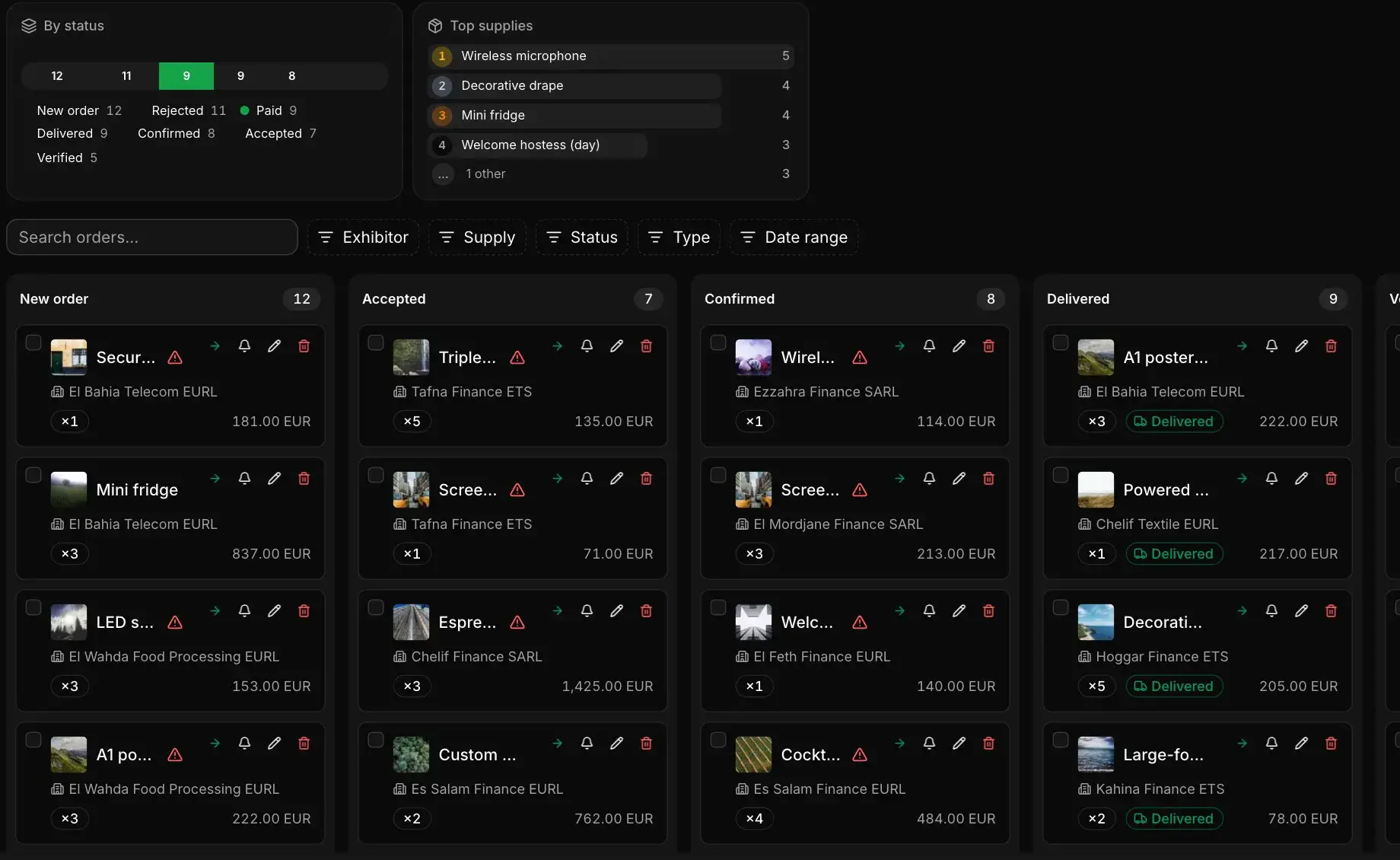
- What is not included: storage, screens, a fridge, plants, internet, hostesses. Each is ordered separately, with a price and a deadline.
A photo or drawing of a 9 m² shell scheme sent with the offer answers half the questions before they are asked. Keep the package the same from one edition to the next unless you announce a change: returning exhibitors compare.
What you ask of a space only exhibitor
On raw space, the exhibitor builds what it likes, within your rules. Those rules must be written down before it signs with a stand builder:
- Stand drawings submitted by a fixed date, with heights and materials;
- the maximum height of structures and signage, and what is allowed for double-deck stands and rigging from the ceiling;
- materials: fire-retardant, with the certificate the venue asks for;
- the stand builder: insurance, build-up authorization and access slots to the hall;
- power: the load to order, because raw space comes with none;
- breakdown: the time by which the plot must be handed back empty.
These rules belong in the exhibitor manual, and build-up hazards in your event risk assessment. A space only stand that opens without approved drawings often ends up in the aisle, or with a wall that hides its neighbour.
Inline, corner, peninsula and island stands
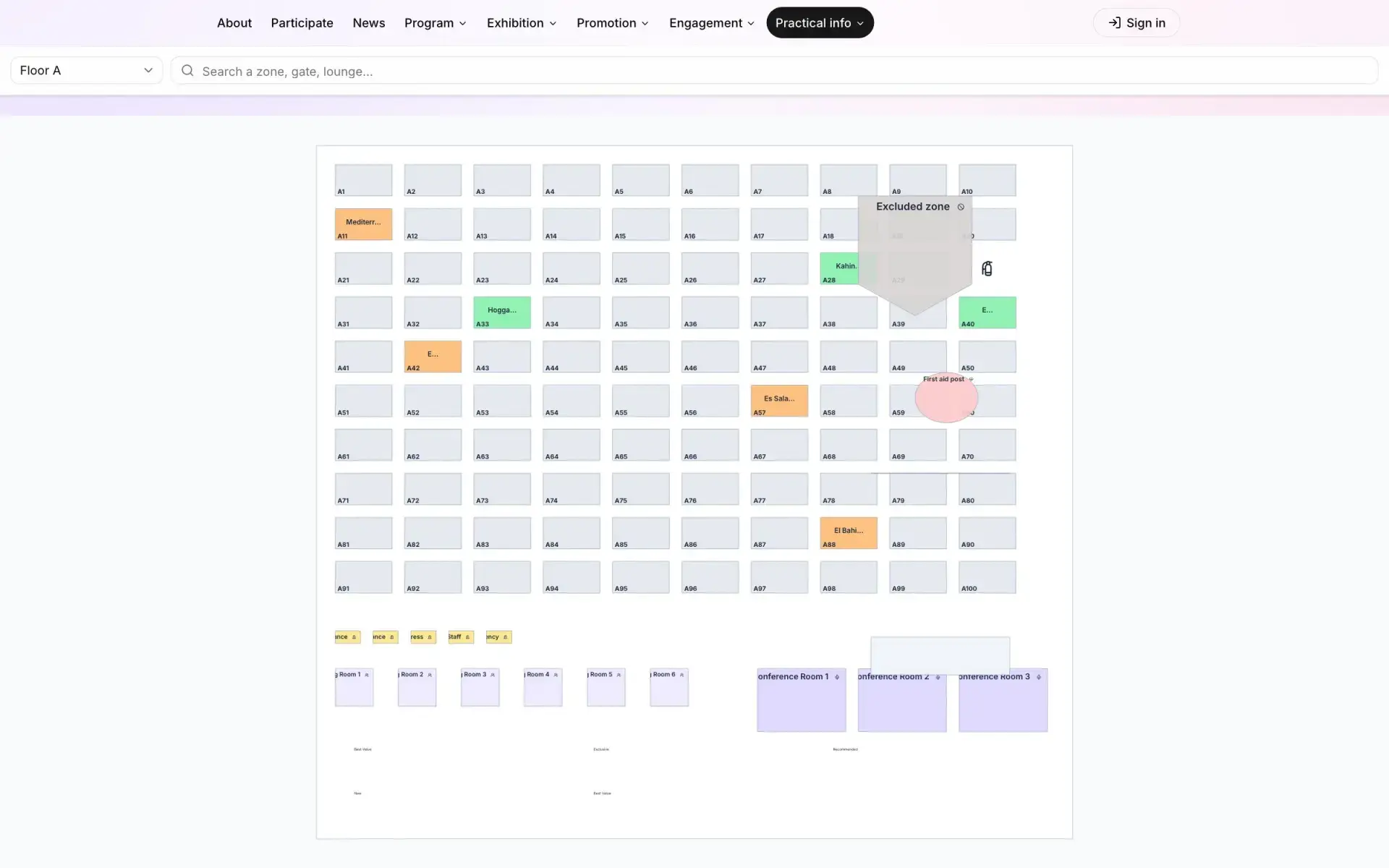
The second factor is how many sides of the stand face an aisle. It is read on the floor plan, and it changes what the stand is worth.
| Position | Open sides | What it brings |
|---|---|---|
| Inline stand | 1 | the most common, between two neighbours |
| Corner stand | 2 | seen from two aisles |
| Peninsula stand | 3 | at the end of a row, highly visible |
| Island stand | 4 | alone between aisles, for large plots |
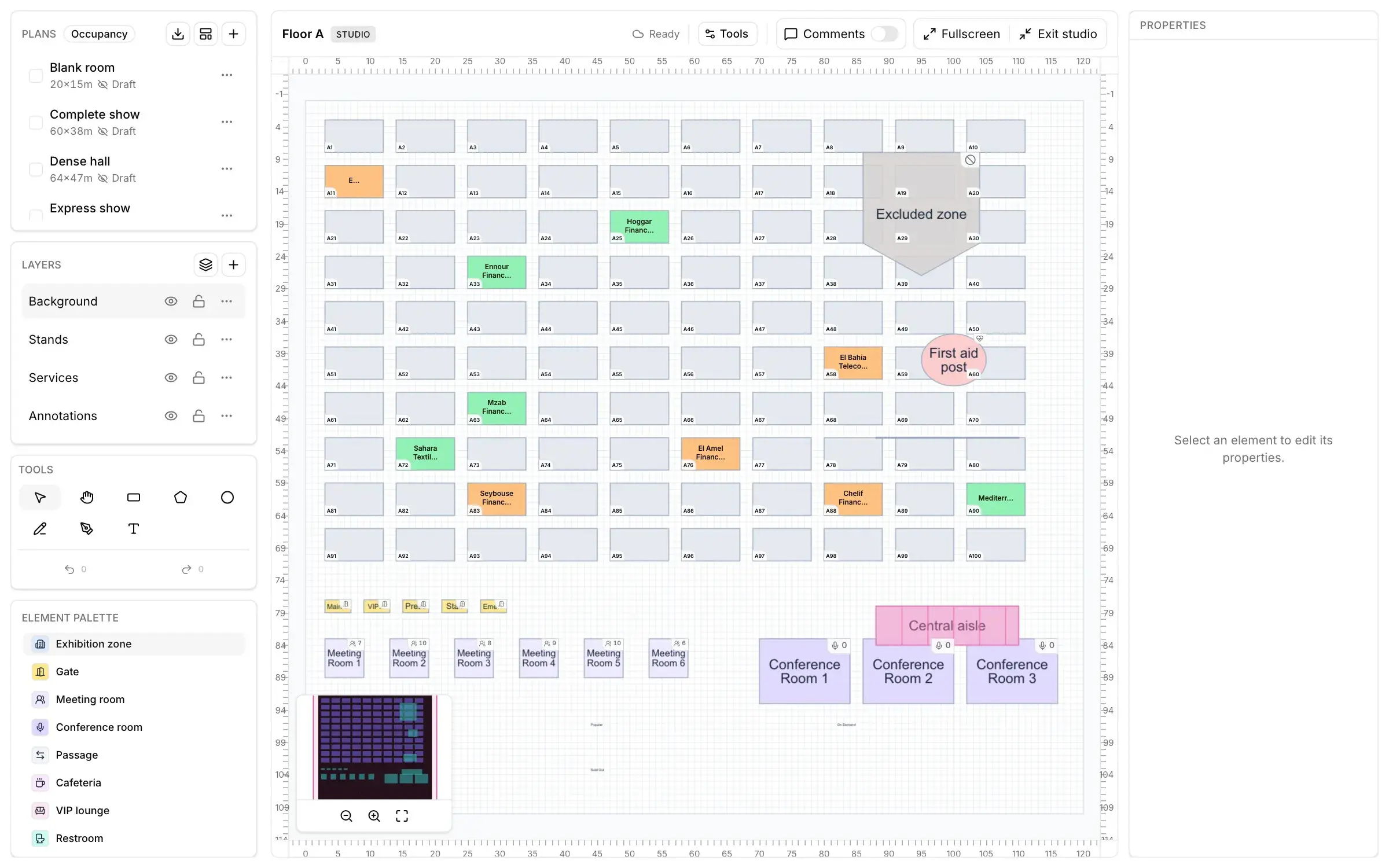
Corner and island stands usually carry a premium on the square-metre rate. Say so on the rate card and mark them on the trade show floor plan: an exhibitor who first sees the premium on the invoice does not always come back.
Pricing exhibition stand types
A readable rate card fits in a few lines:
- A space only rate per square metre, the same across the hall or different by zone.
- A shell scheme package, per module or per square metre, added to the space rate.
- A position premium: corner, peninsula, island.
- Fixed fees, if any: catalogue entry, badges, insurance.
- Currency: when exhibitors come from abroad, a price in their currency saves a round of emails.
To set the figures, start from your budget: hall rental and shell scheme build are often its two largest lines (trade show budget template). To sell the rate card, see our guide on how to sell exhibition space.
The stand type in the form and the contract
The stand type should read the same everywhere, in the same words, from the first email to the invoice:
- in the exhibitor registration form, a clear choice between shell scheme and space only, with the size and position wanted;
- in the contract, the stand number, its dimensions, its type, its open sides and what it includes;
- on the floor plan, the same number and the same dimensions;
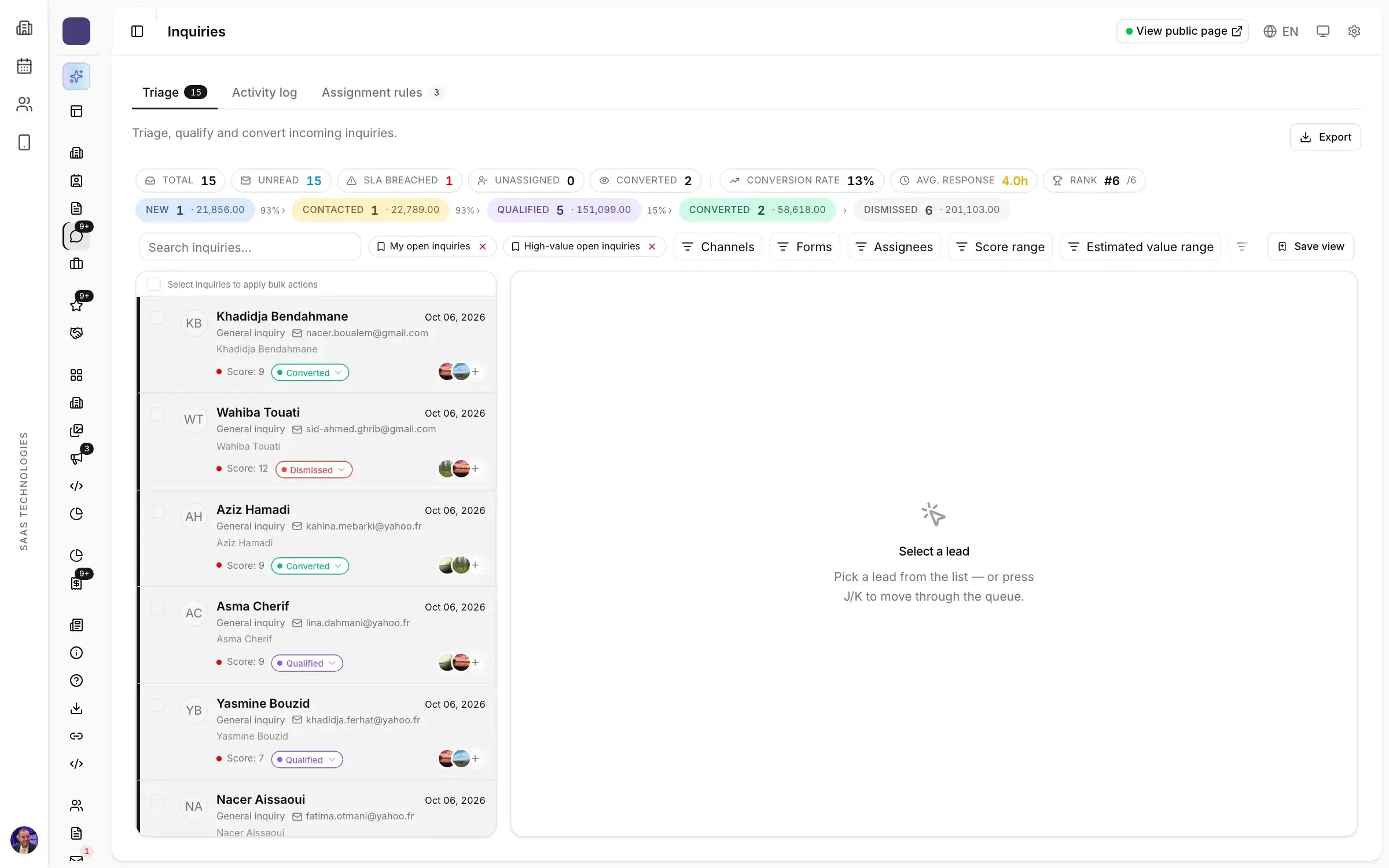
- in the exhibitor portal, what is still missing: the fascia name for a shell scheme, drawings and a builder for space only.
Common mistakes
- “Shell scheme” with no list: everyone fills in the blanks differently, and the argument happens during build-up.
- Dimensions that drift between the floor plan, the contract and the invoice: a 3 × 3 m stand sold as 9 m² does not fit in a 2.5 × 3.5 m plot.
- Fascia names collected in the last week: they arrive misspelt, too long, or not at all.
- Space only drawings nobody checks: the height breach is found when the structure is already up.
- A hidden corner premium: it gets argued after signature, at the worst moment.
- Extra services with no deadline: furniture and power orders land the day before opening.
In short
Most shows sell two stand types: space only, a plot the exhibitor has built, and shell scheme, delivered ready with walls, carpet, lighting, power, a fascia board and basic furniture. The position (inline, corner, peninsula, island) comes on top of the type and is priced separately. Write down what each package includes, keep dimensions identical everywhere, and ask early for what is missing: the fascia name on one side, the drawings and the builder on the other.
In Moultaka, the floor plan studio holds the area and price of each stand, and every stand shows its status, its exhibitor and its price; stands can be priced in foreign currencies. On the exhibitor side, the services catalogue (furniture, lighting, screens, services) shows its prices and is carried over from the previous edition in one click; each signboard format is defined once, fascia dimensions and text limits included; and each stand builder’s insurance, build-up authorization and slots are checked before build-up. To see that chain on your own show, book a demo.